
Product
‹
›
‹
›
Features
Product Details
Product Introduction
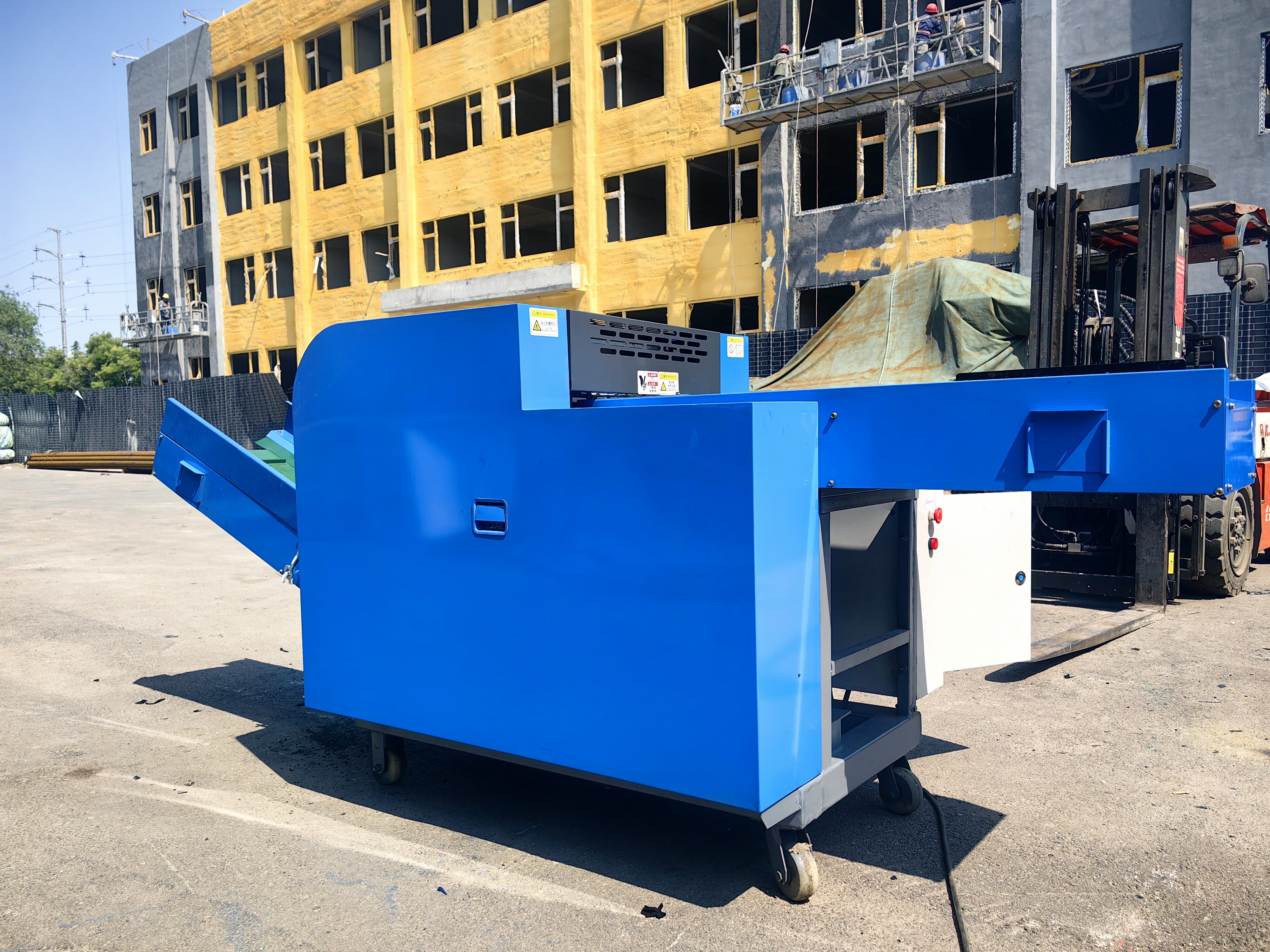
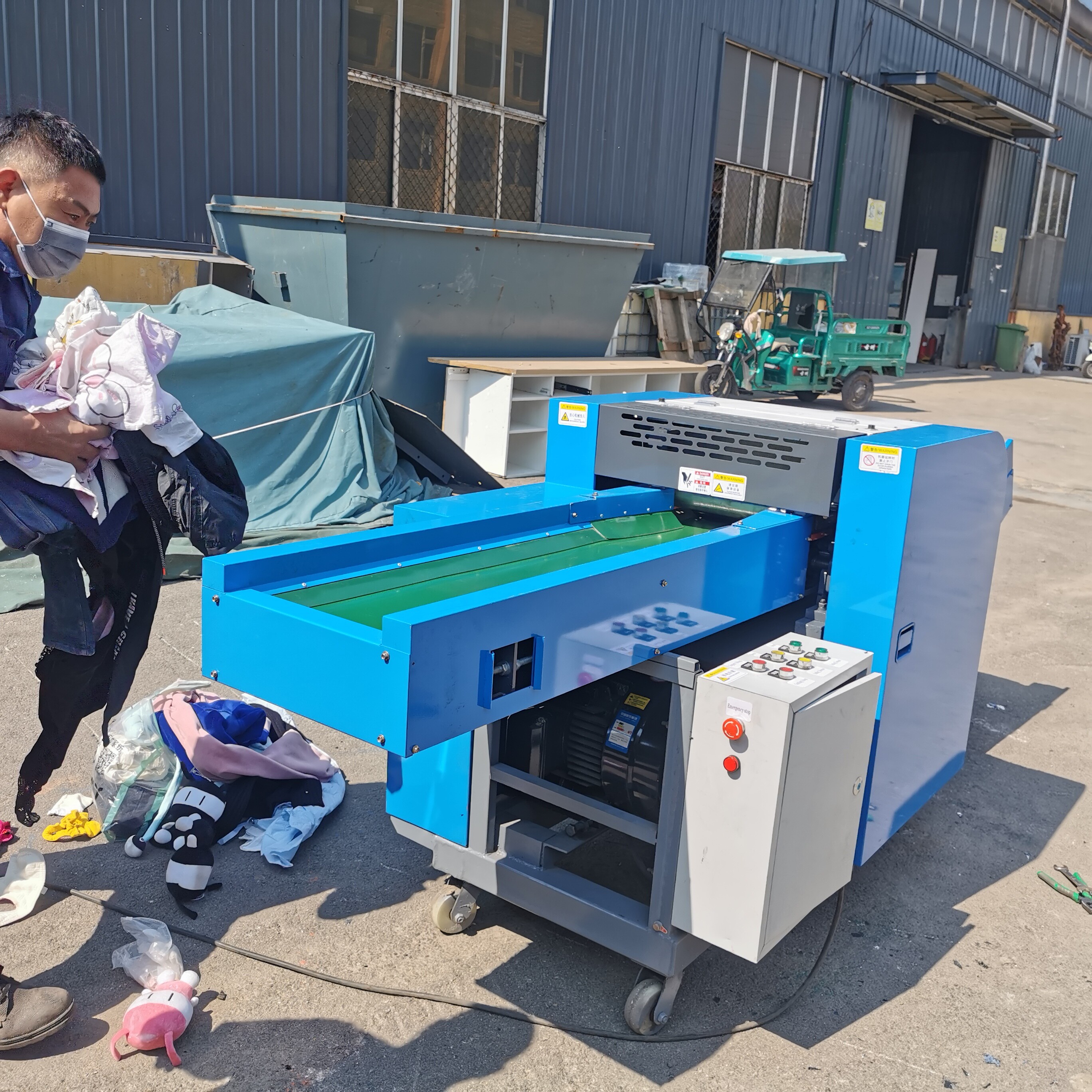
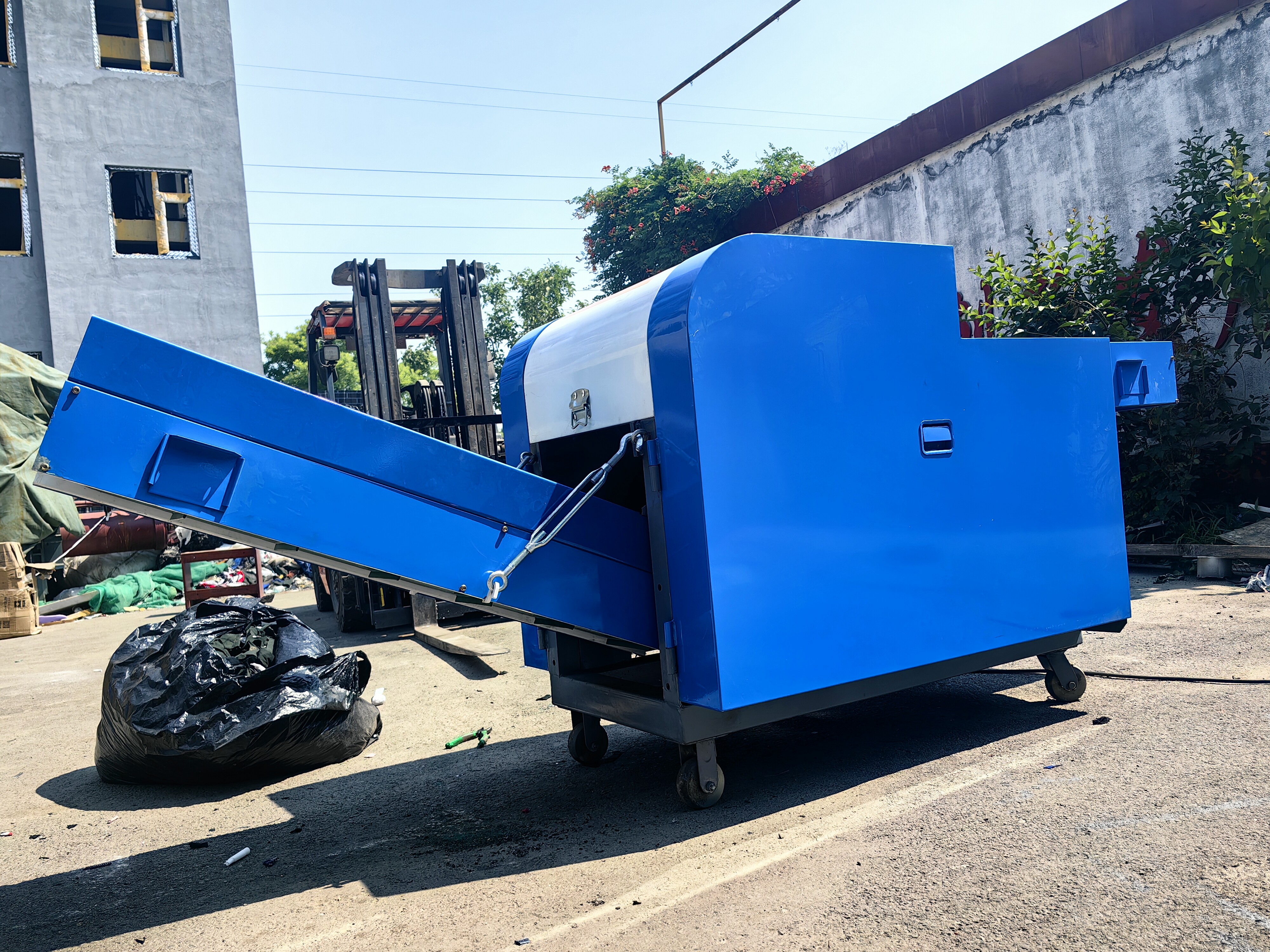
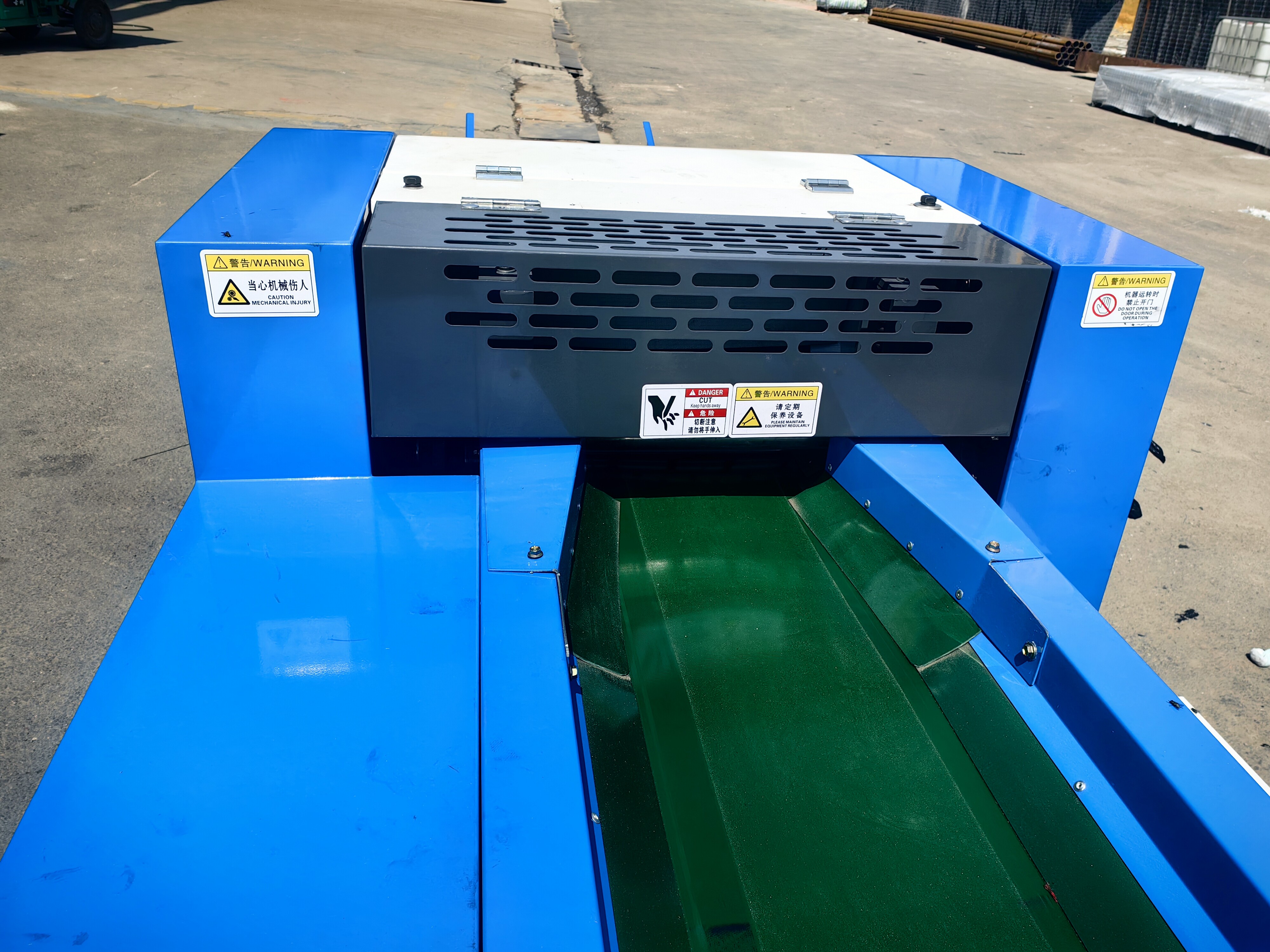
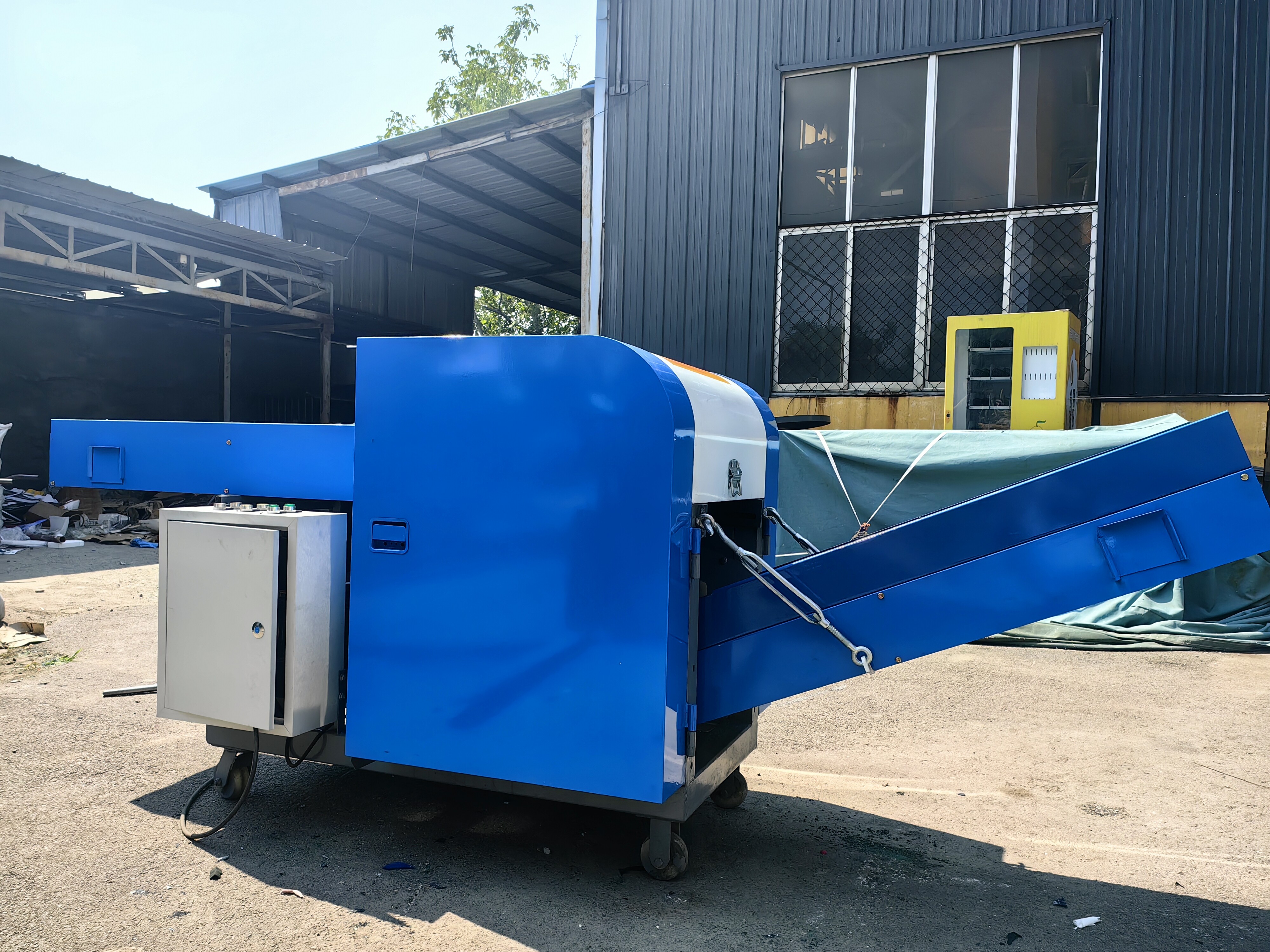
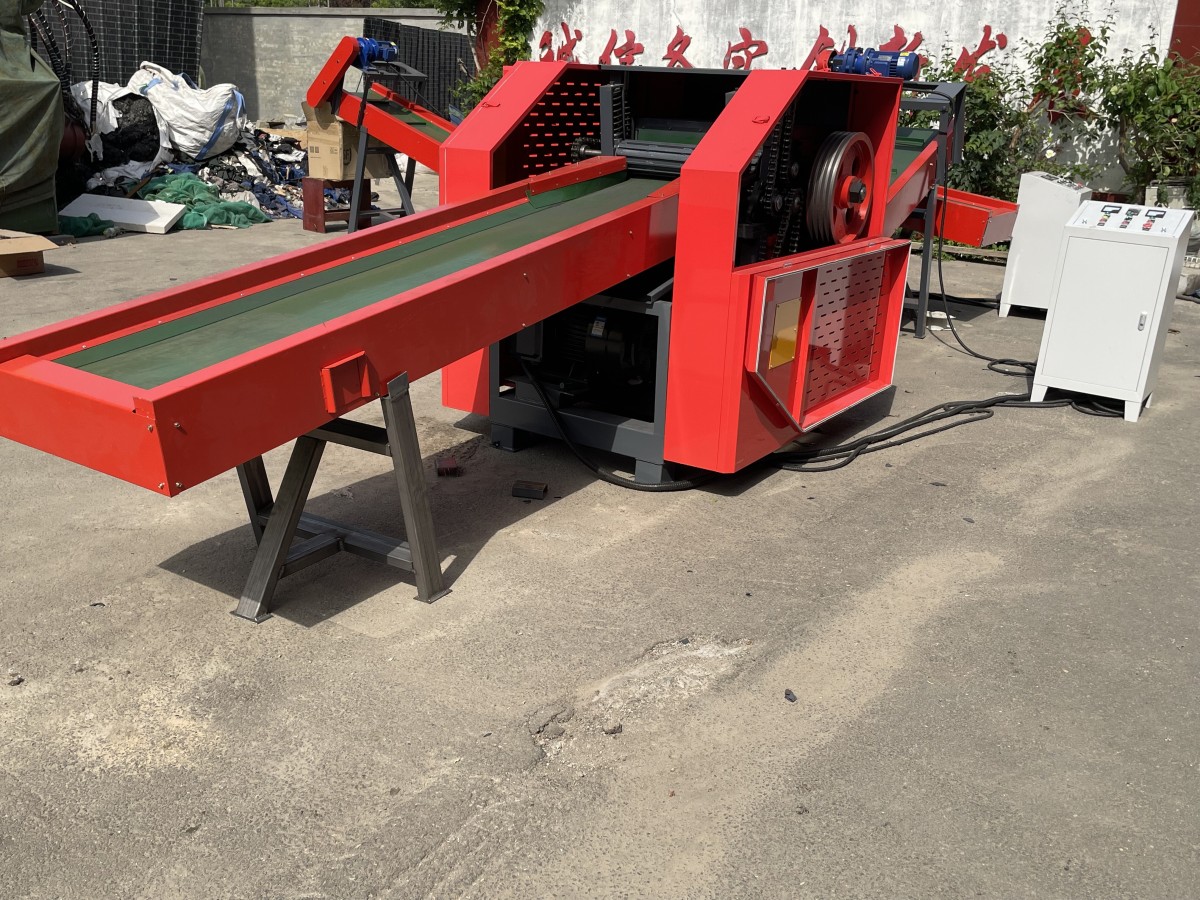
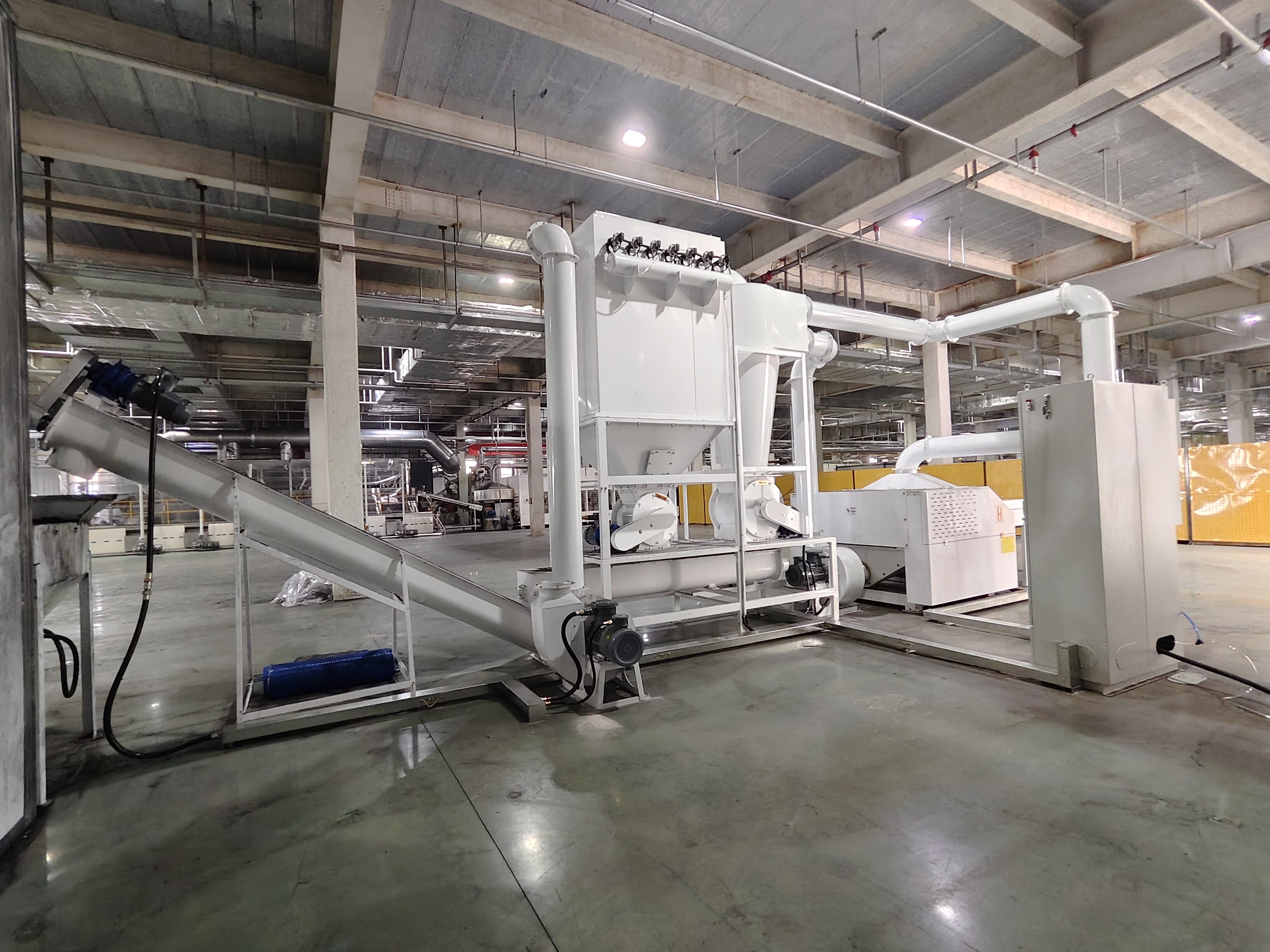
The diaper shredder is a specialized shredding equipment designed for the treatment and recycling of various diaper (diaper pants, nursing pads, etc.) waste materials. Leveraging innovative technology, it breaks through traditional processing bottlenecks and boasts multiple advantages, including high-efficiency shredding, hygiene and safety, energy saving and environmental protection, and convenient operation. It is widely applicable to various scenarios such as medical and health care, maternal and infant care, waste recycling, and diaper production and processing. It not only solves the problem of waste diaper disposal and prevents hygiene hazards, but also facilitates the recycling of raw materials and reduces production costs, making it an essential piece of equipment for modern environmental protection and efficient operation.
Core technological advantages
(I) High-efficiency crushing, ensuring uniform and thorough crushing
(II) Hygiene protection, preventing secondary pollution
(III) Energy-saving and environmentally friendly, suitable for green operation
(IV) Intelligent and convenient, worry-free operation and maintenance
(V) Superior materials, highly durable
Applicable Scenarios
This product line encompasses three main series: small-scale medical/home use, medium-sized nursing facility use, and large-scale industrial recycling use, catering to precise needs across multiple scenarios, specifically as follows:
1. Medical and Healthcare Scenarios: Hospitals (ICU, obstetrics and gynecology, geriatrics, rehabilitation, etc.), nursing homes, nursing centers, and community health service centers. Used for processing used diapers and nursing pads, preventing cross-infection, improving infection control levels, and reducing the cleaning burden on medical staff.
2. Maternal and Infant Care Scenarios: Postpartum care centers, maternal and infant clubs, and kindergartens. Processes discarded baby diapers, maintaining a clean and hygienic environment, preventing bacterial growth, and providing a clean and safe environment for mothers and infants.
3. Waste Recycling Scenarios: Waste recycling stations and environmental technology companies. Used for crushing and recycling various types of waste diapers, achieving raw material separation and reuse, increasing the added value of recycling, and contributing to resource recycling.
4. Production and Processing Scenarios: Diaper manufacturers use this equipment to process defective products, expired inventory, and scraps generated during production. The crushed material is reused, reducing production costs and minimizing resource waste. It can also be used as a raw material crushing device for diaper production, providing uniform raw material particles to ensure the quality of subsequent production.
5. Homes and Small Establishments: Suitable for families with elderly members or infants, or small care stations, this equipment solves the problem of disposing of small quantities of waste diapers. It eliminates the need for manual transport, is convenient and hygienic, and prevents the spread of odors.
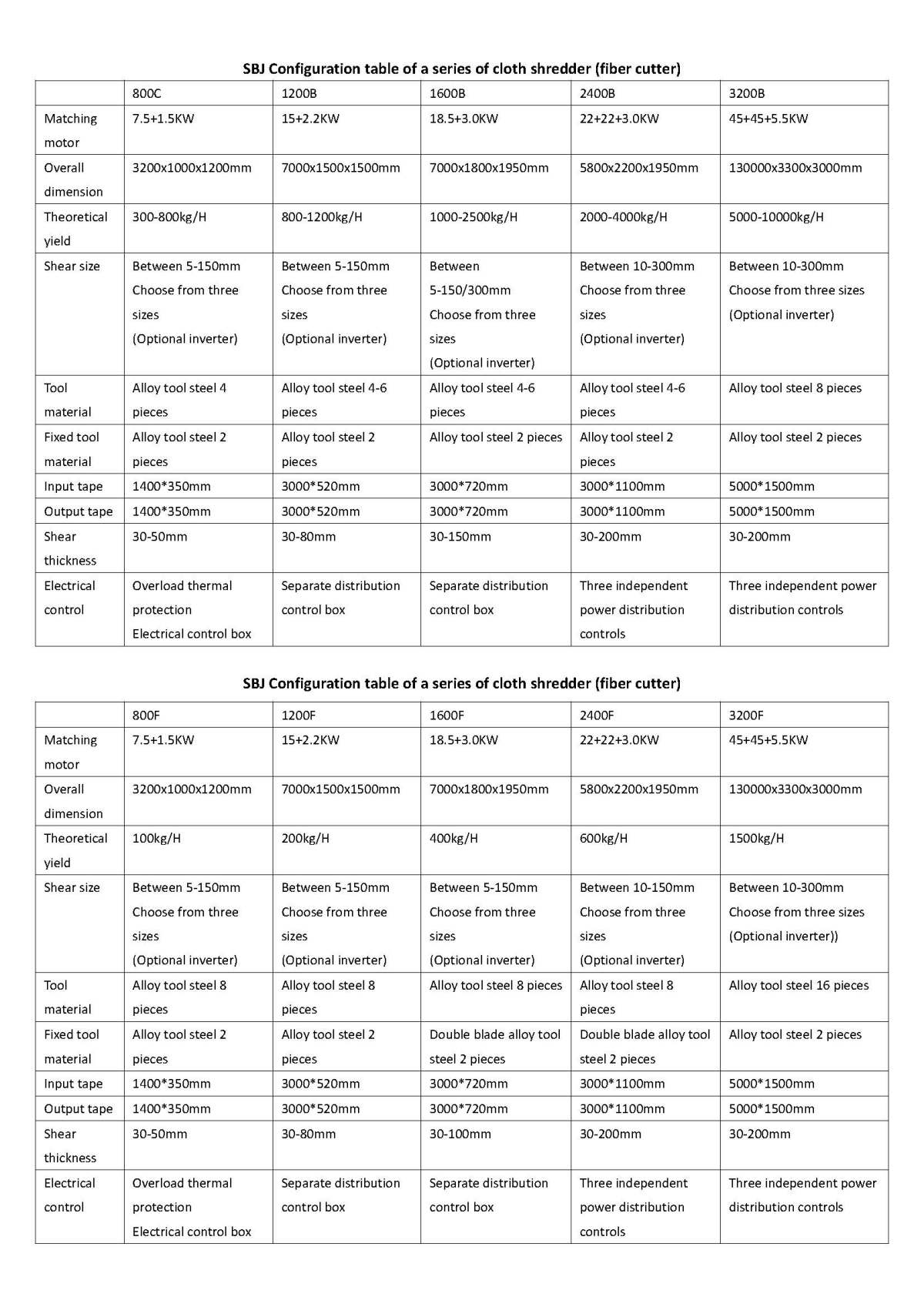
Product Parameters
After-Sales Service
1. Quality Assurance: One-year warranty on the entire machine, one-year warranty on core components (motor, blades, control system), and lifetime maintenance to ensure long-term stable operation of the equipment;
2. Installation and Commissioning: A professional technical team provides on-site installation and commissioning services, and conducts operation and maintenance training simultaneously to ensure staff can quickly get started;
3. Rapid Response: 24/7 after-sales hotline; promptly resolve equipment operation problems upon receiving fault feedback;
4. Customized Service: Customized models can be made according to the customer's specific scenario (processing capacity, crushing particle size, installation space, core requirements) to meet the personalized needs of different scenarios such as medical, recycling, and production;
5. Spare Parts Supply: Long-term supply of original spare parts (blades, filters, seals, etc.) at preferential prices and timely delivery to avoid equipment operation disruptions due to spare parts shortages.
Related Suggestion
Online Consultation